Milky way
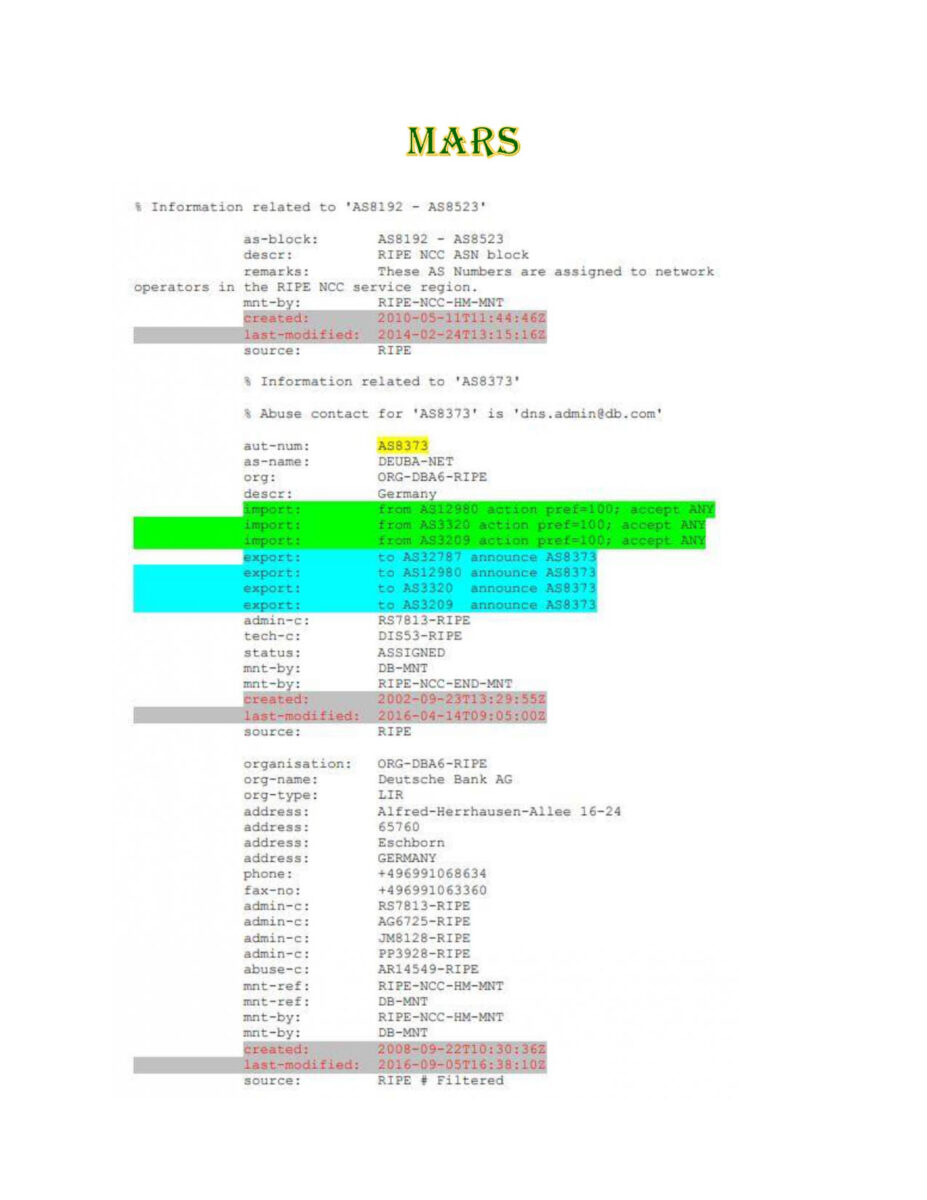
In 1883, the God Father Fund decided to transfer its financial resources in large volumes through server-based systems.
Transfers were executed using the IPIP, IPID, StoS, and SPP methods, while FX4 was utilized for currency conversion.
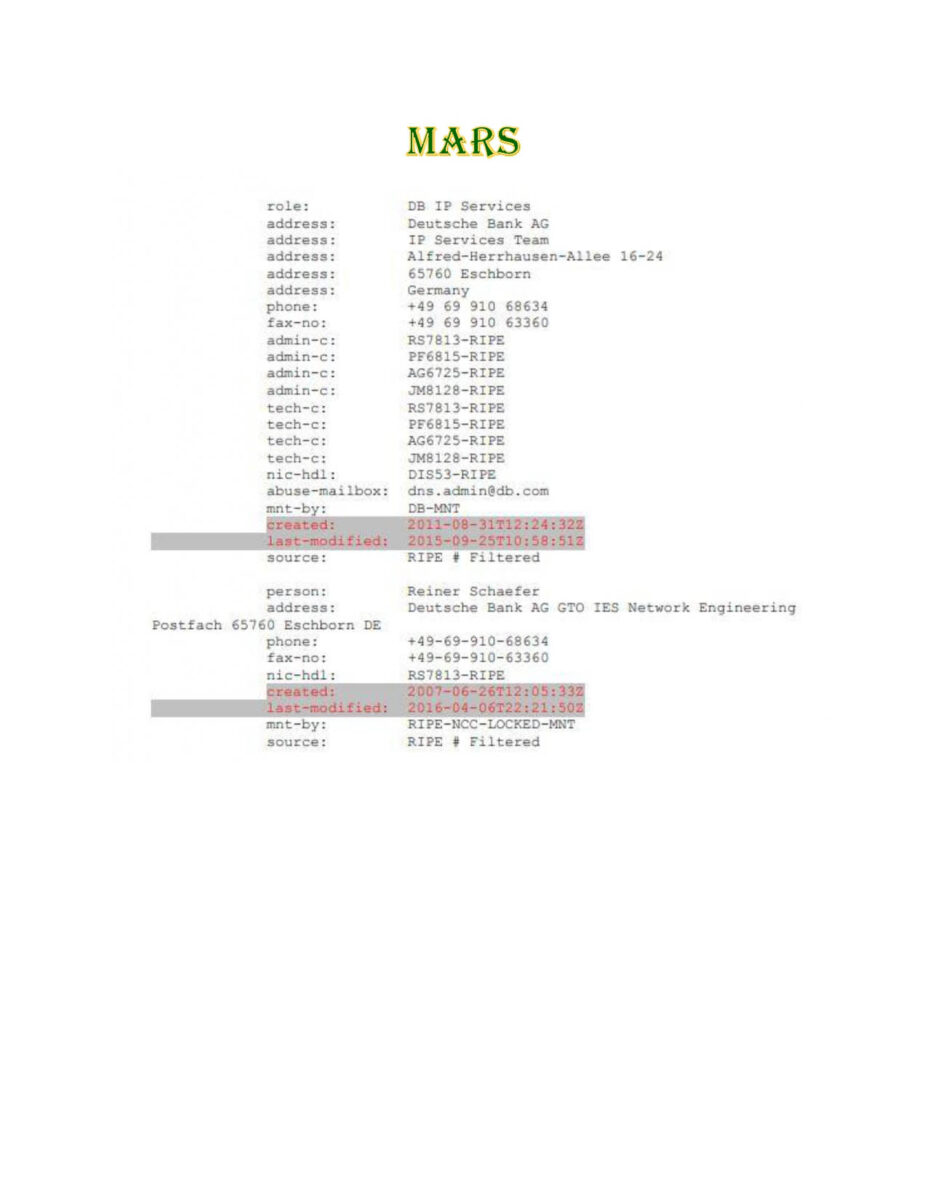
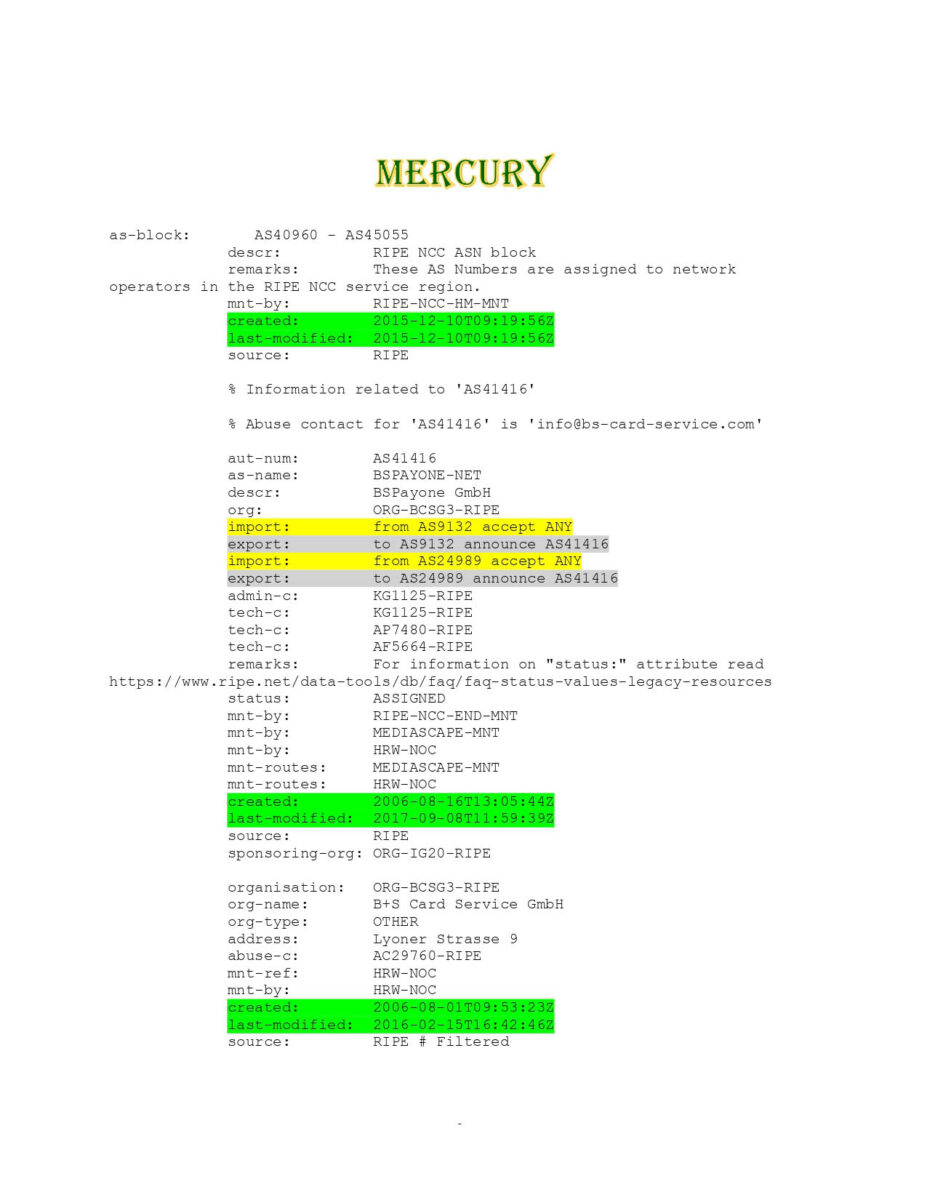
As a result, the Fund began operating through its main server, AS8373, along with several subsidiary servers, and initiated the process of receiving Money Teaser authorizations. The Fund also obtained a license to use Liechtenstein Bandwidth 24/2, the largest financial-transfer bandwidth in the world.
For this purpose, the Fund employs farms with bandwidth capacities ranging from 42 to 107.
It is important to note that server-based financial transfers require three essential components to be converted into SWIFT-compliant transactions:
A numeric character set
Financial documentation and proof of funds
Server space allocation, overseen by a Server Head Officer with a Grade 24 clearance
This method is known as Server-to-Server Transfer.
Experts at the Fund decided to design and classify server resources in a unique formation that would reduce the likelihood of hacking attempts to nearly zero.
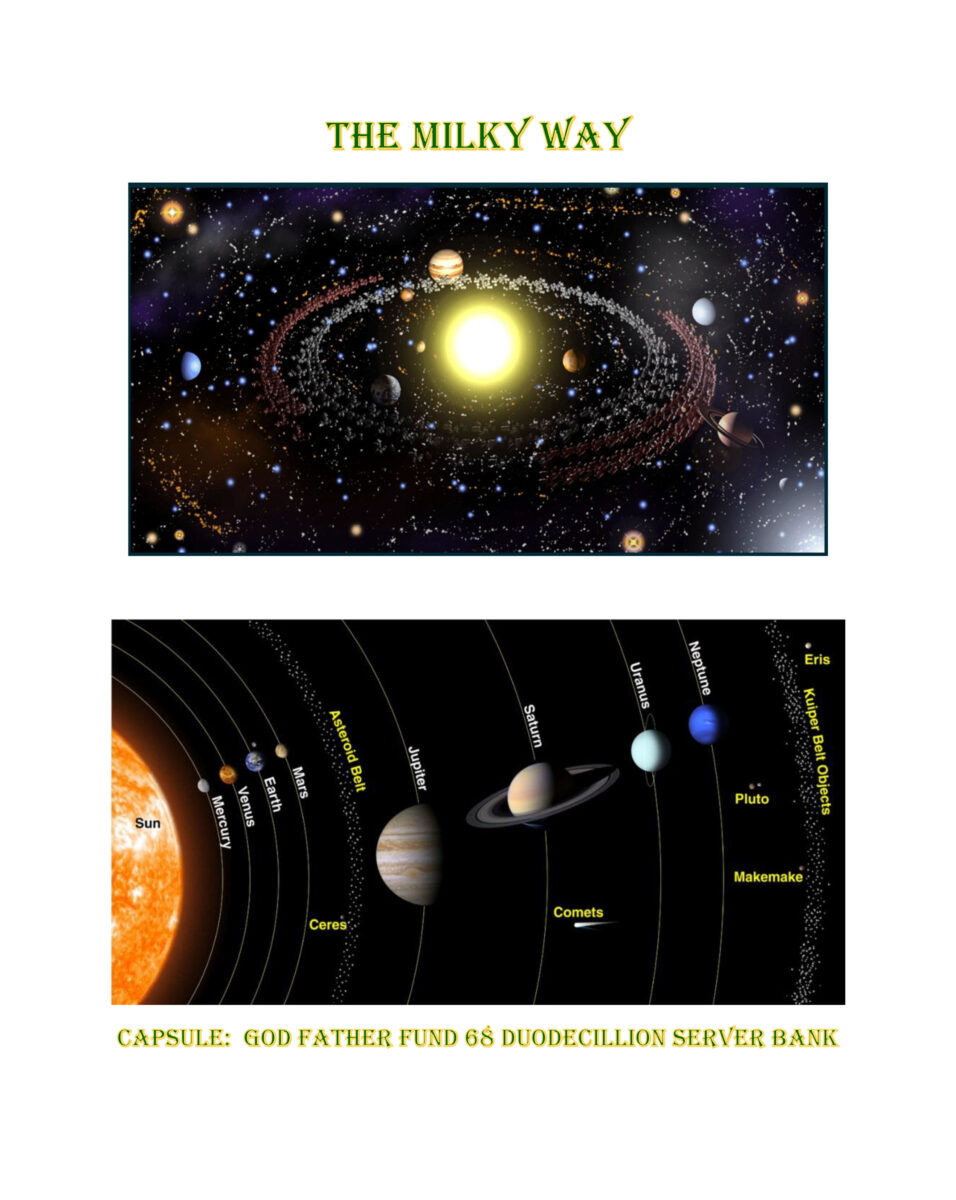
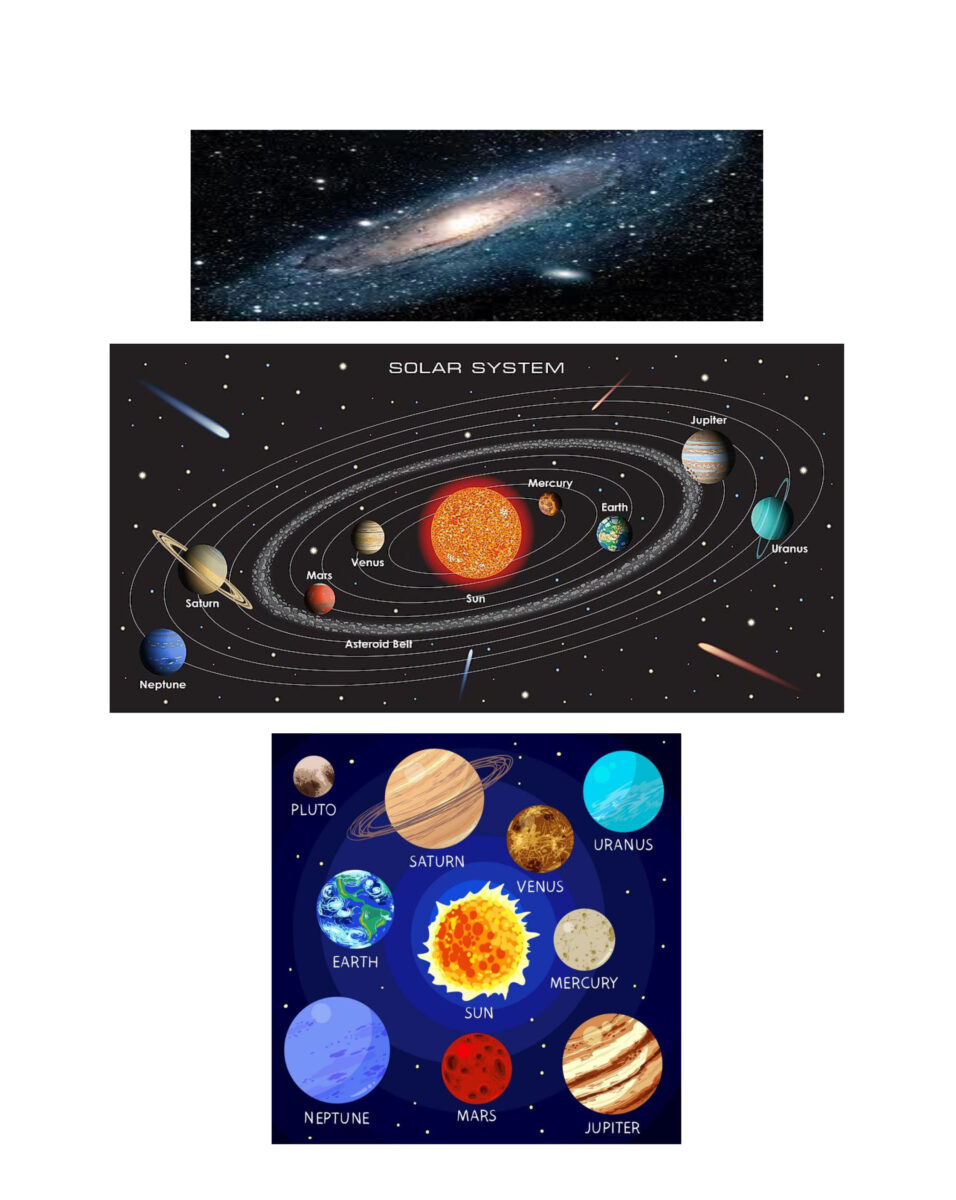
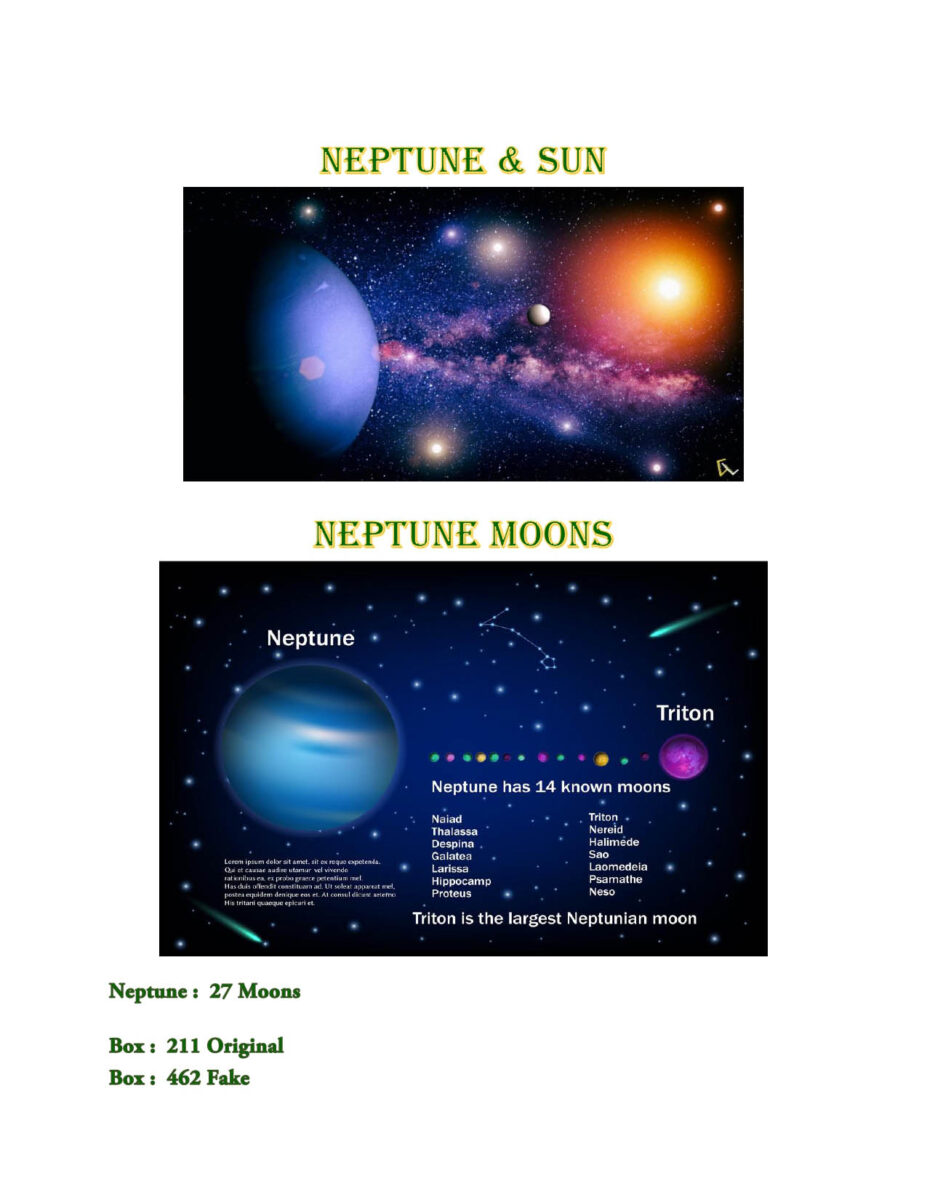
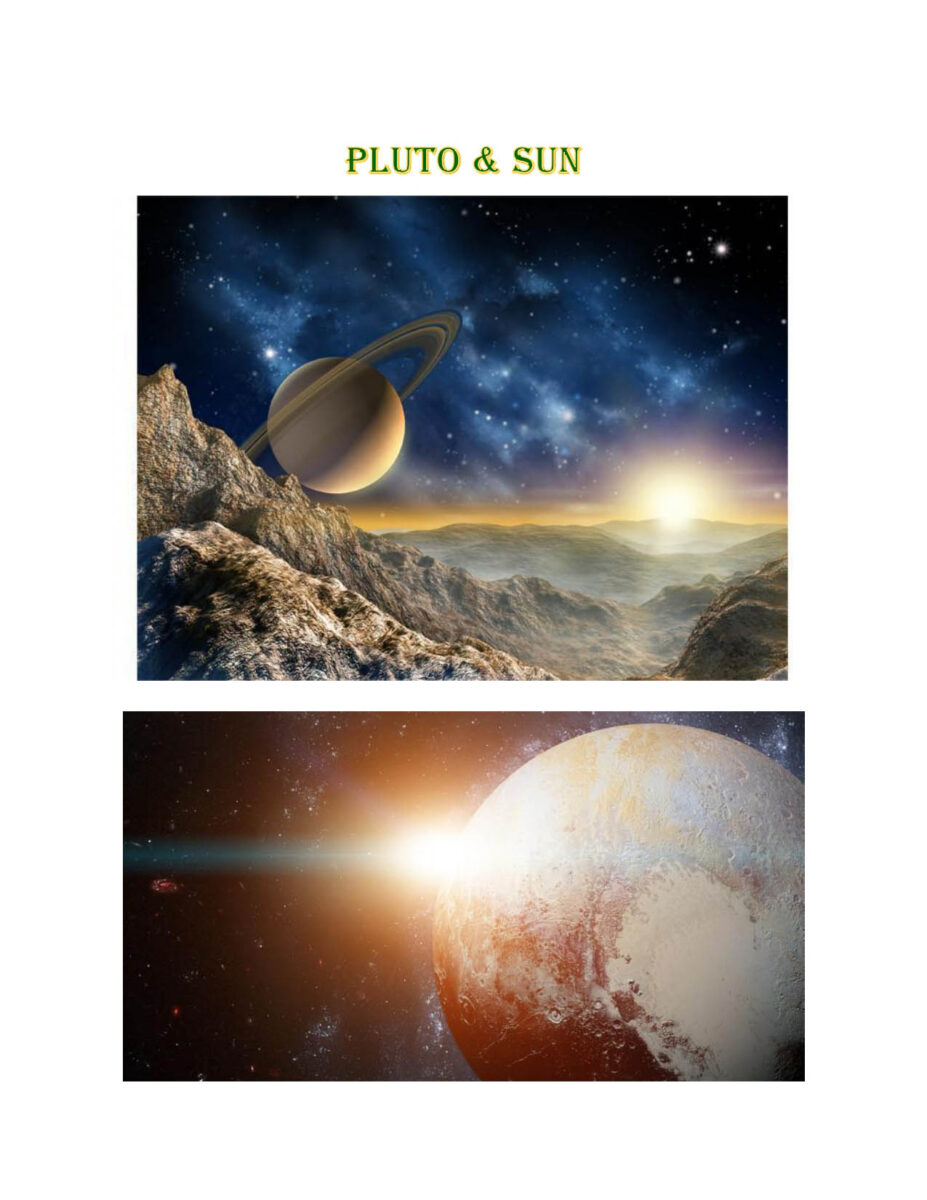
To achieve this, they modeled the architecture after the Solar System, an elegant natural structure.
In this design approach:
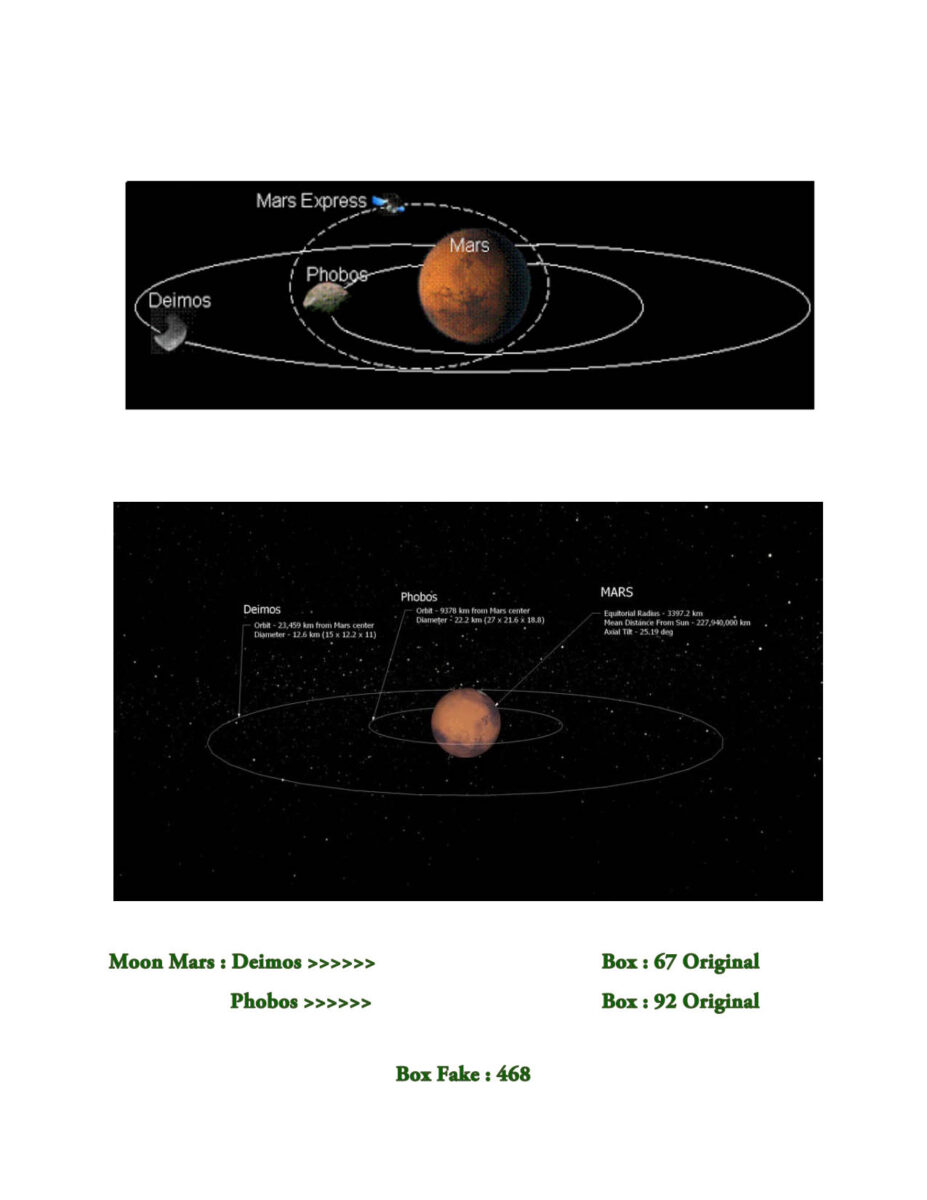
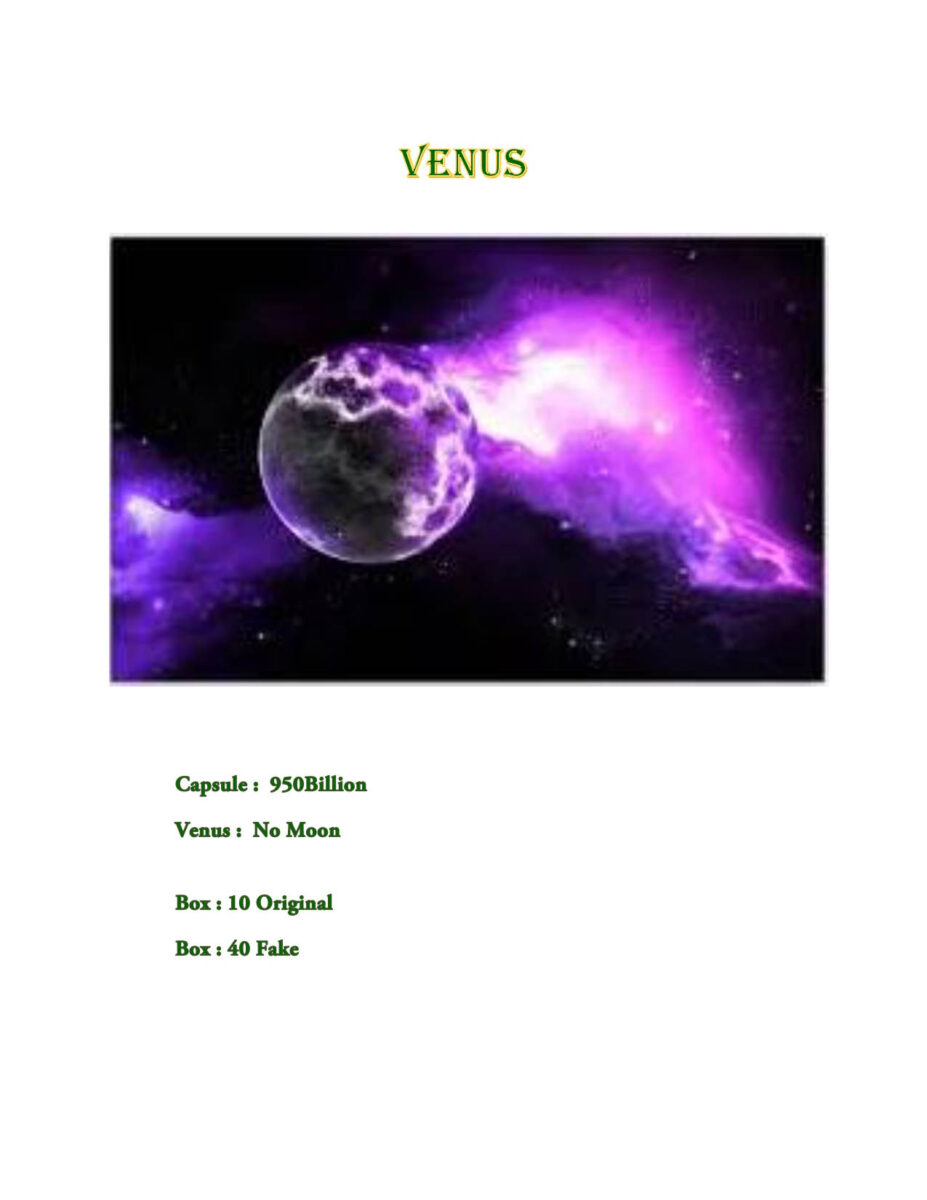
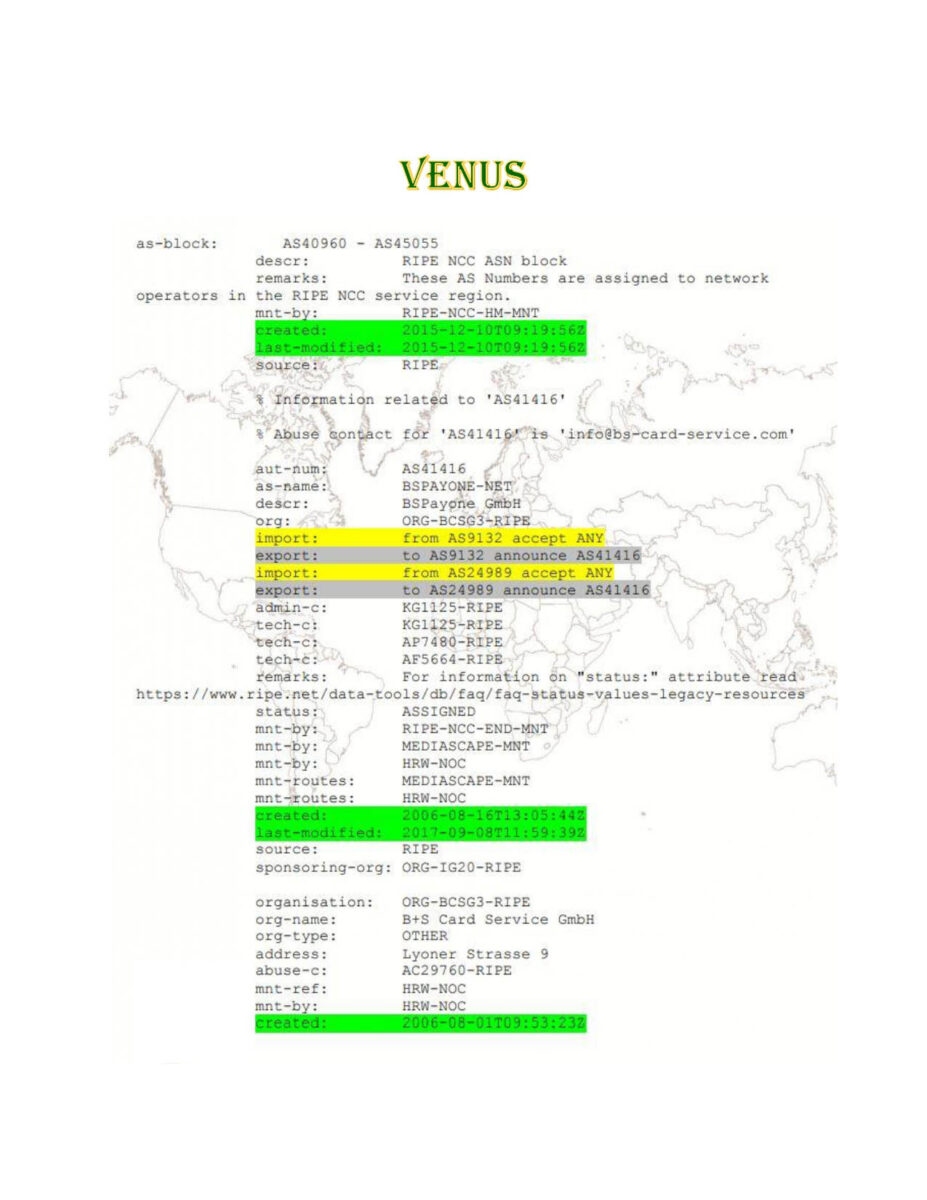
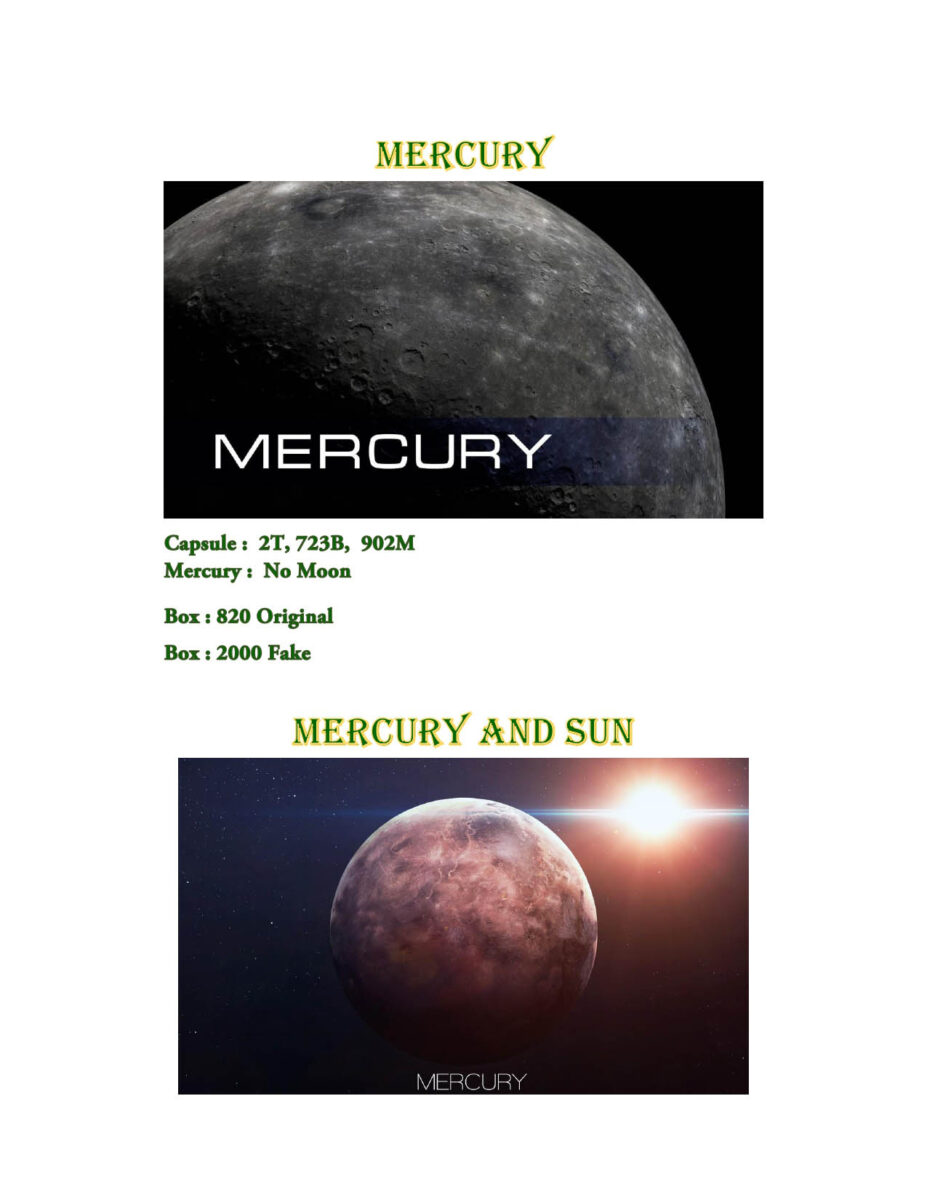
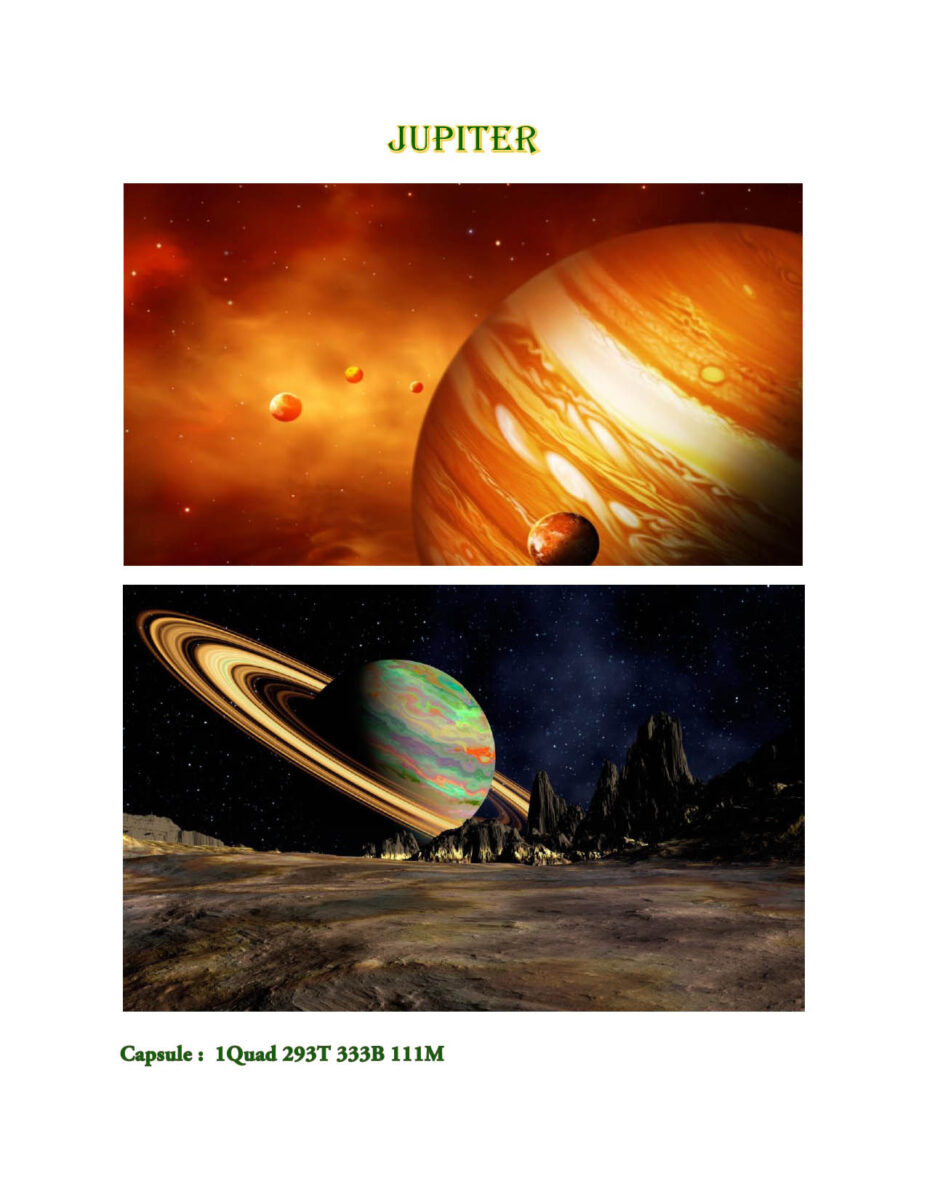
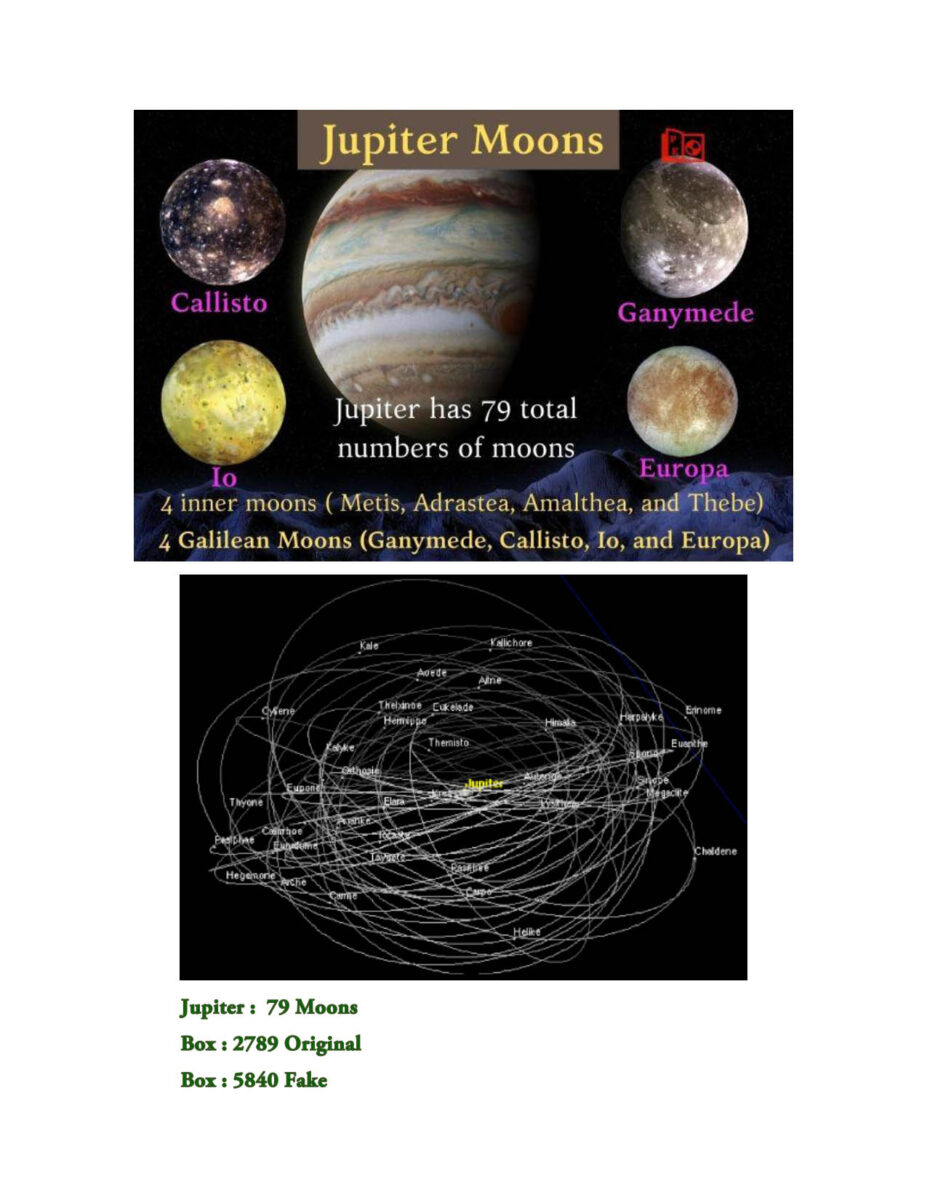
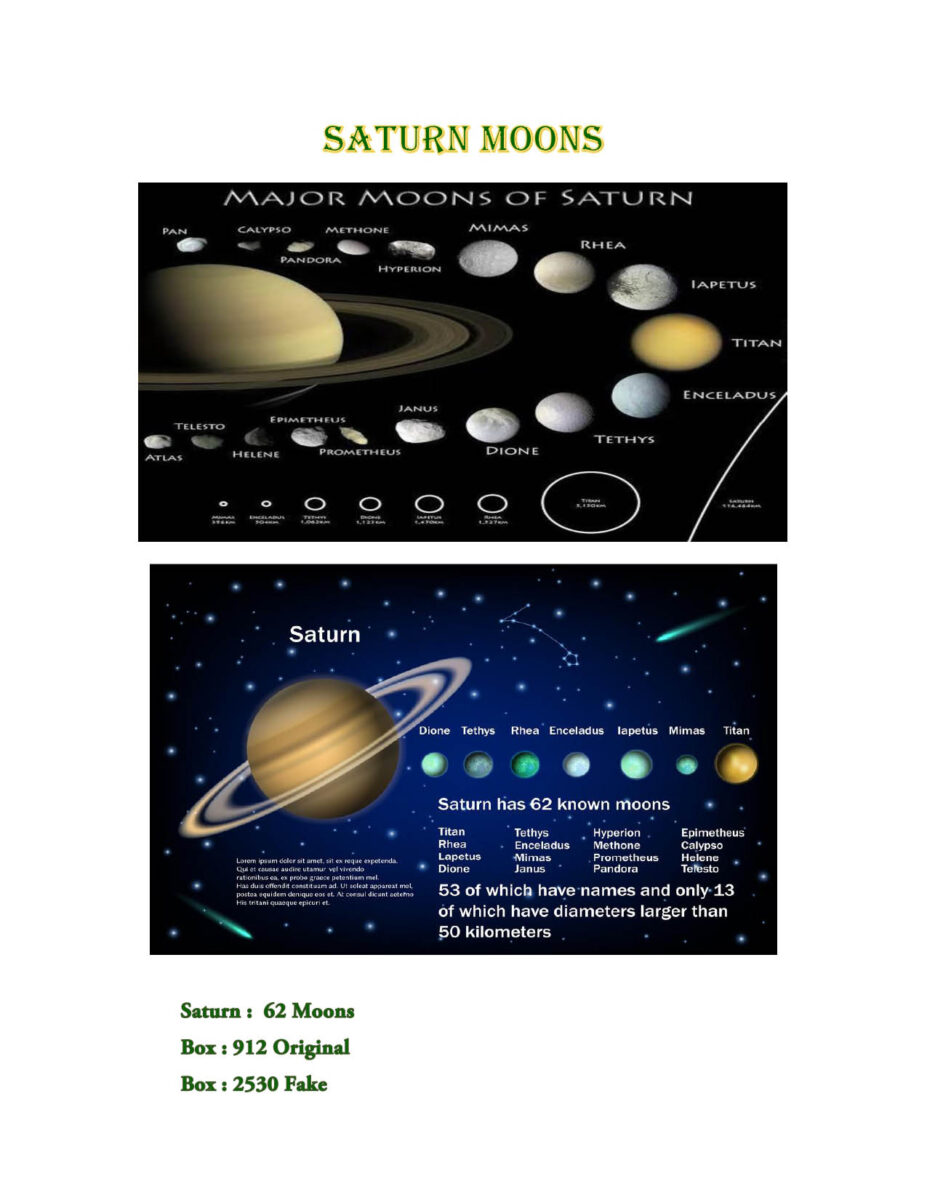
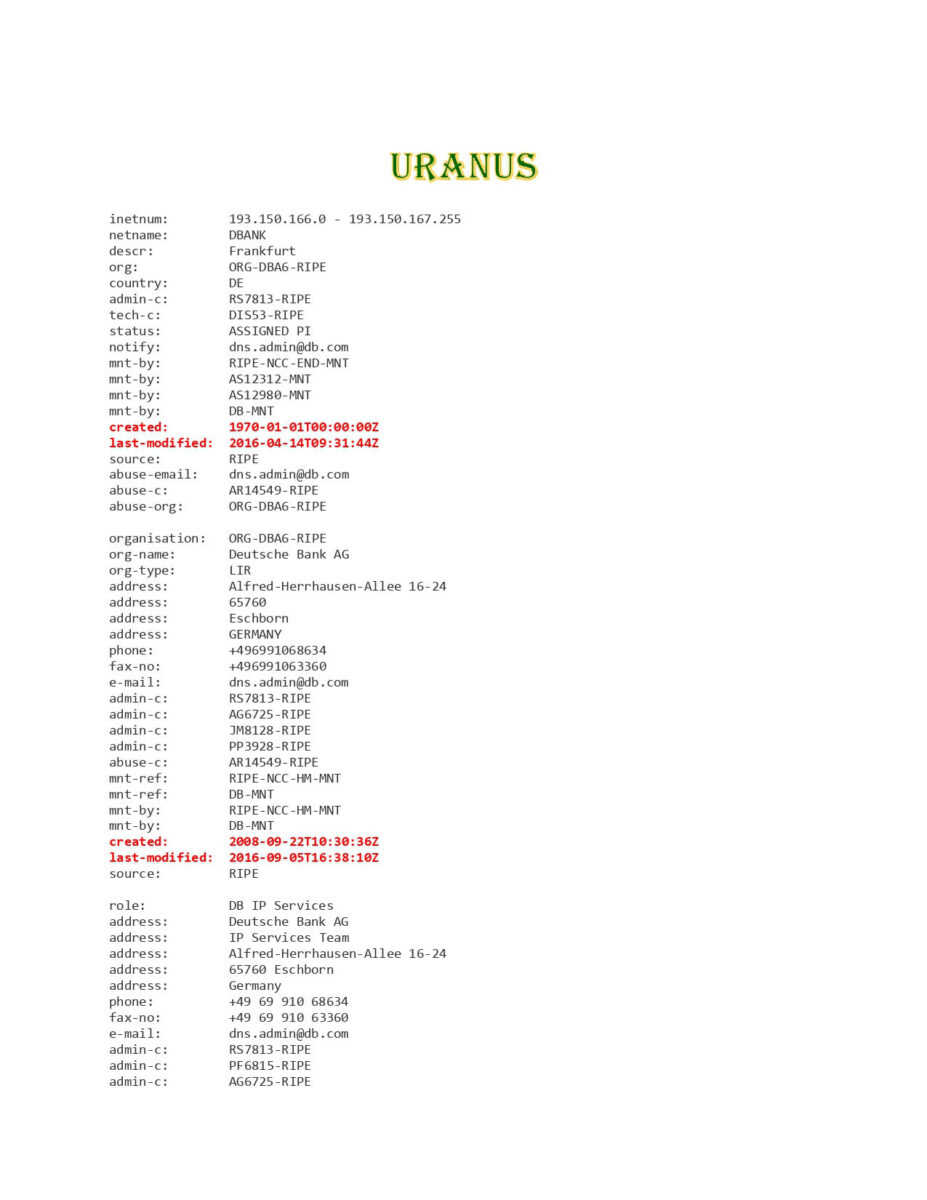
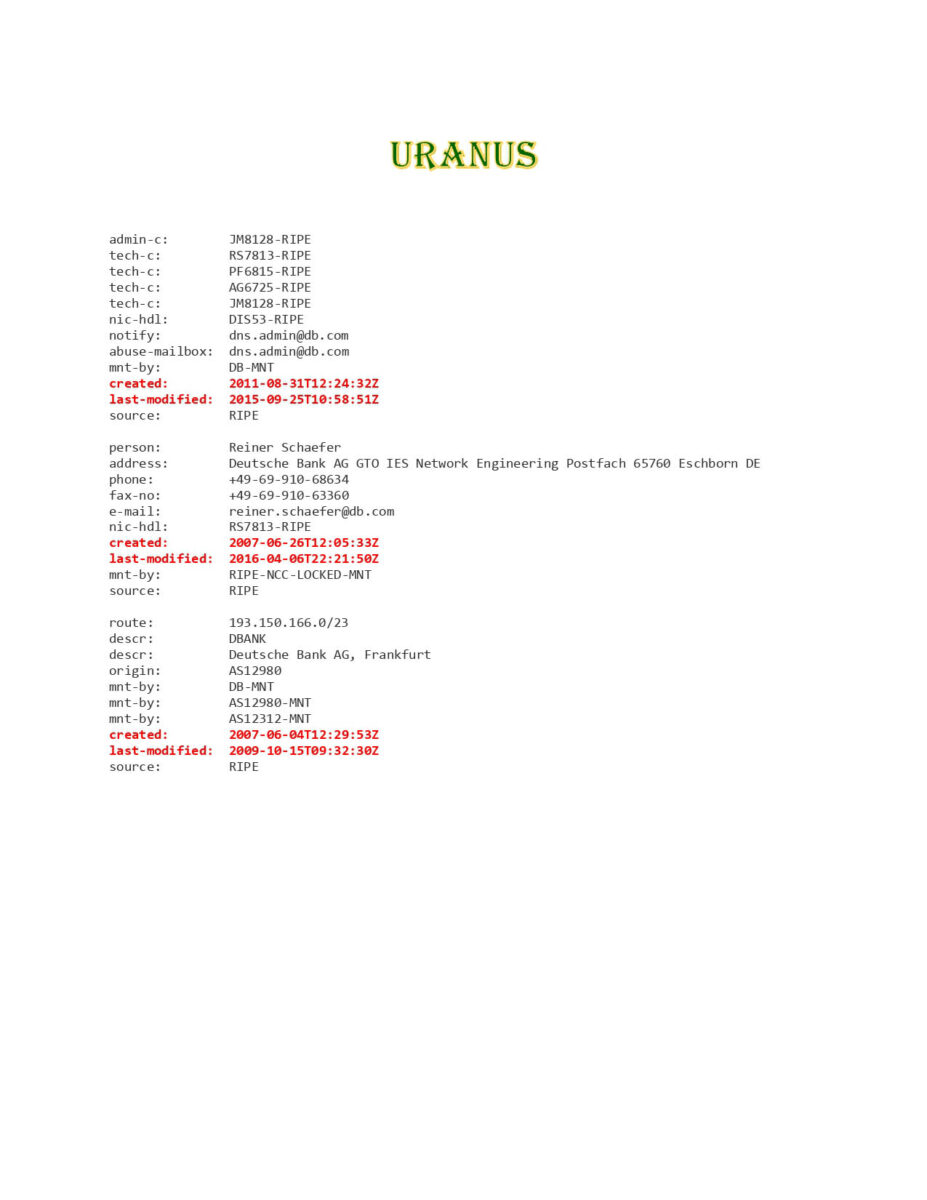
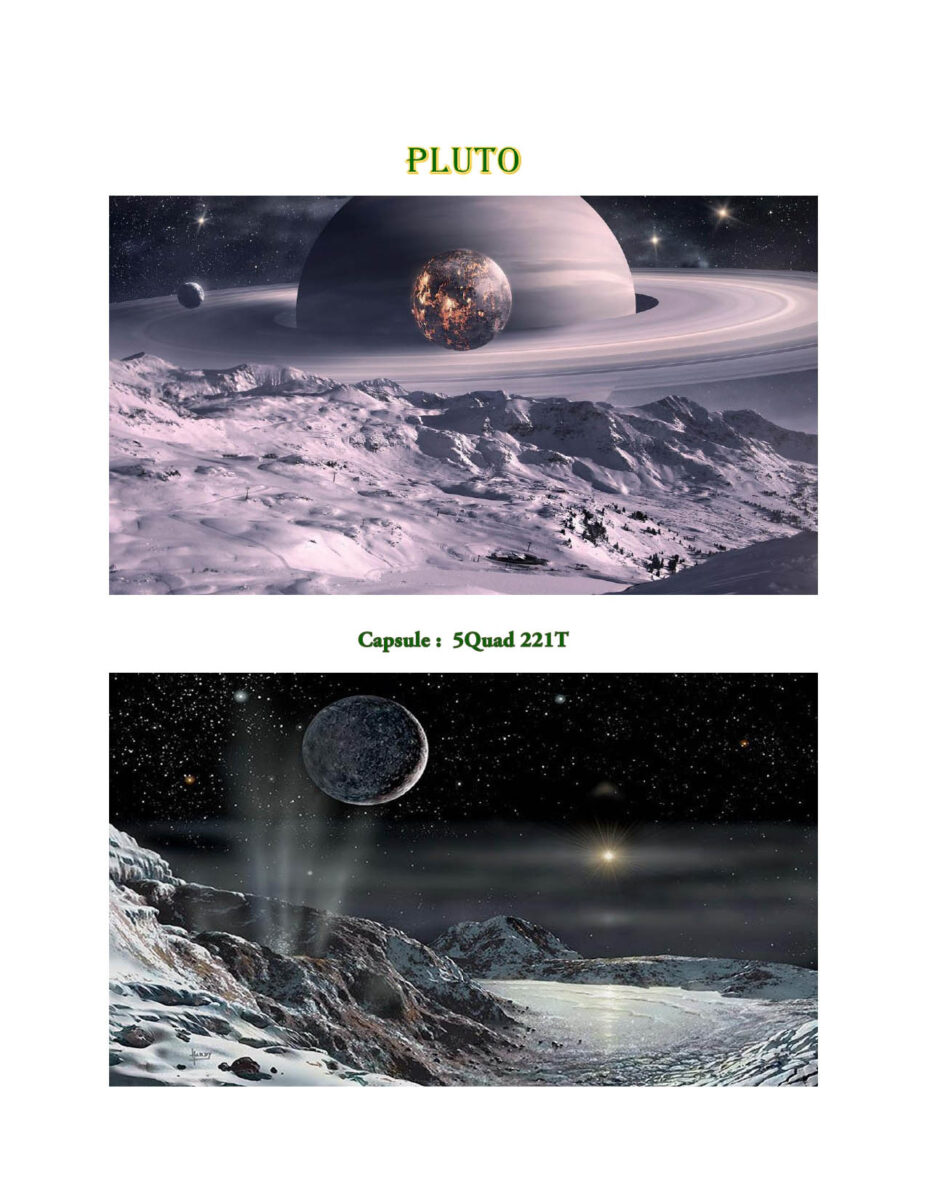
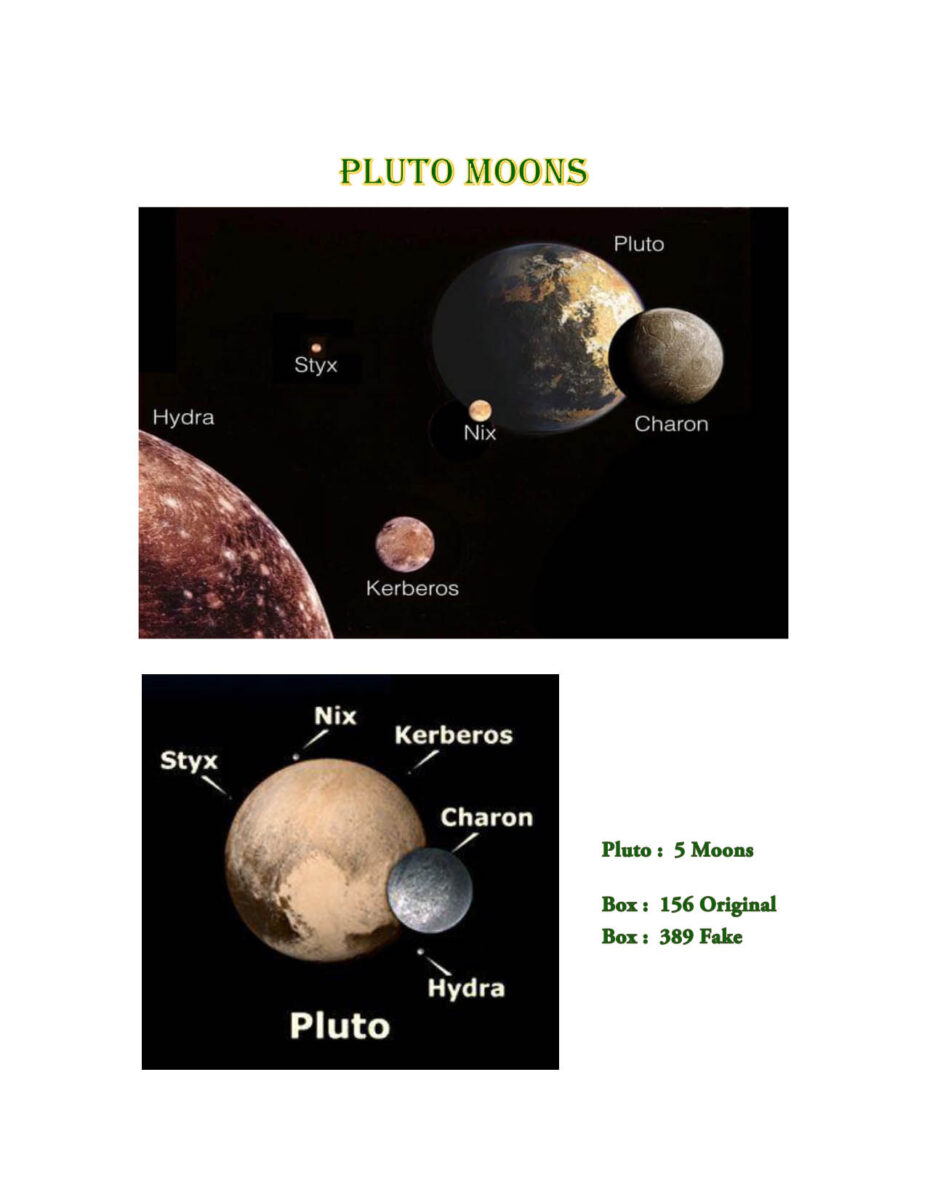
Each planet represents a primary operational box
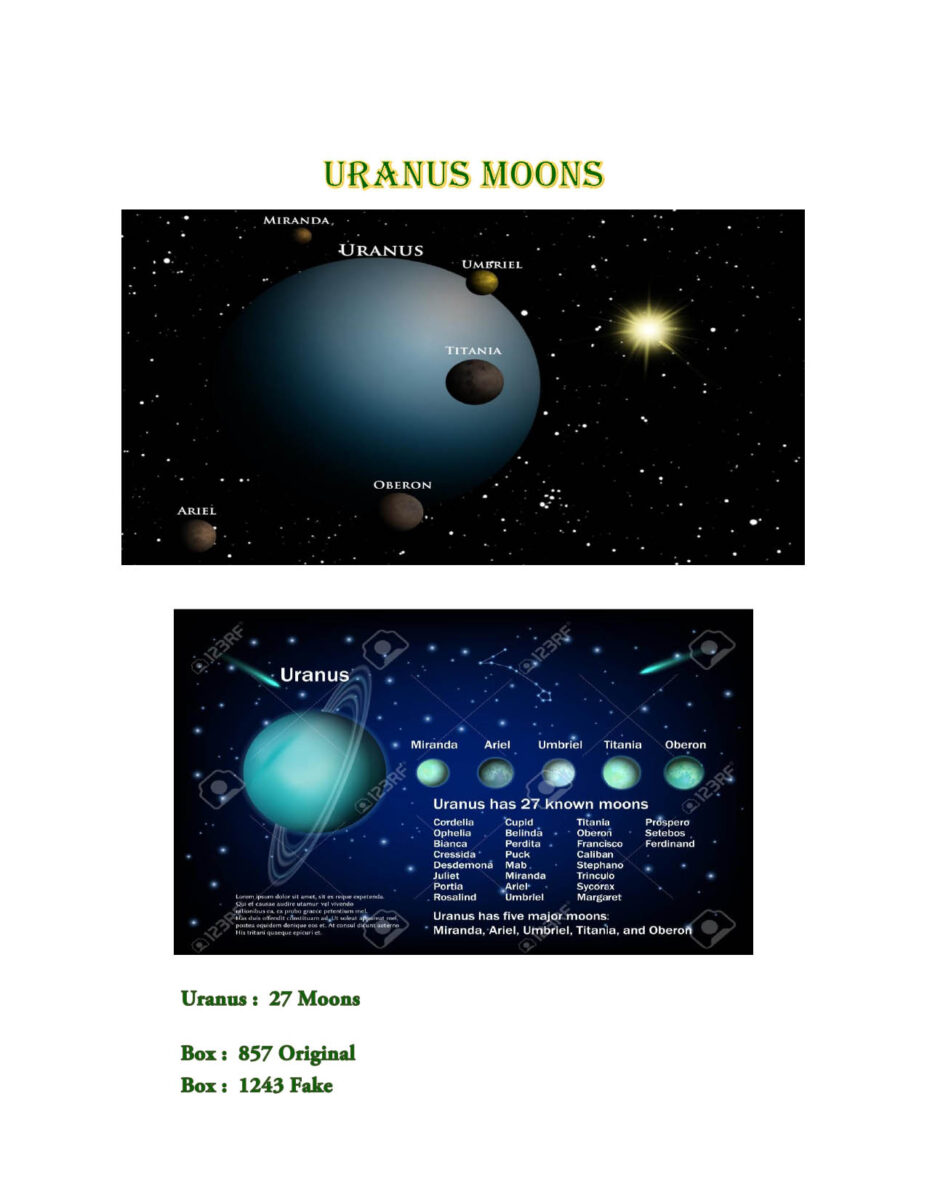
Each moon represents a secondary box
Several dummy / empty boxes are intentionally placed within the system to further reduce the risk of unauthorized access
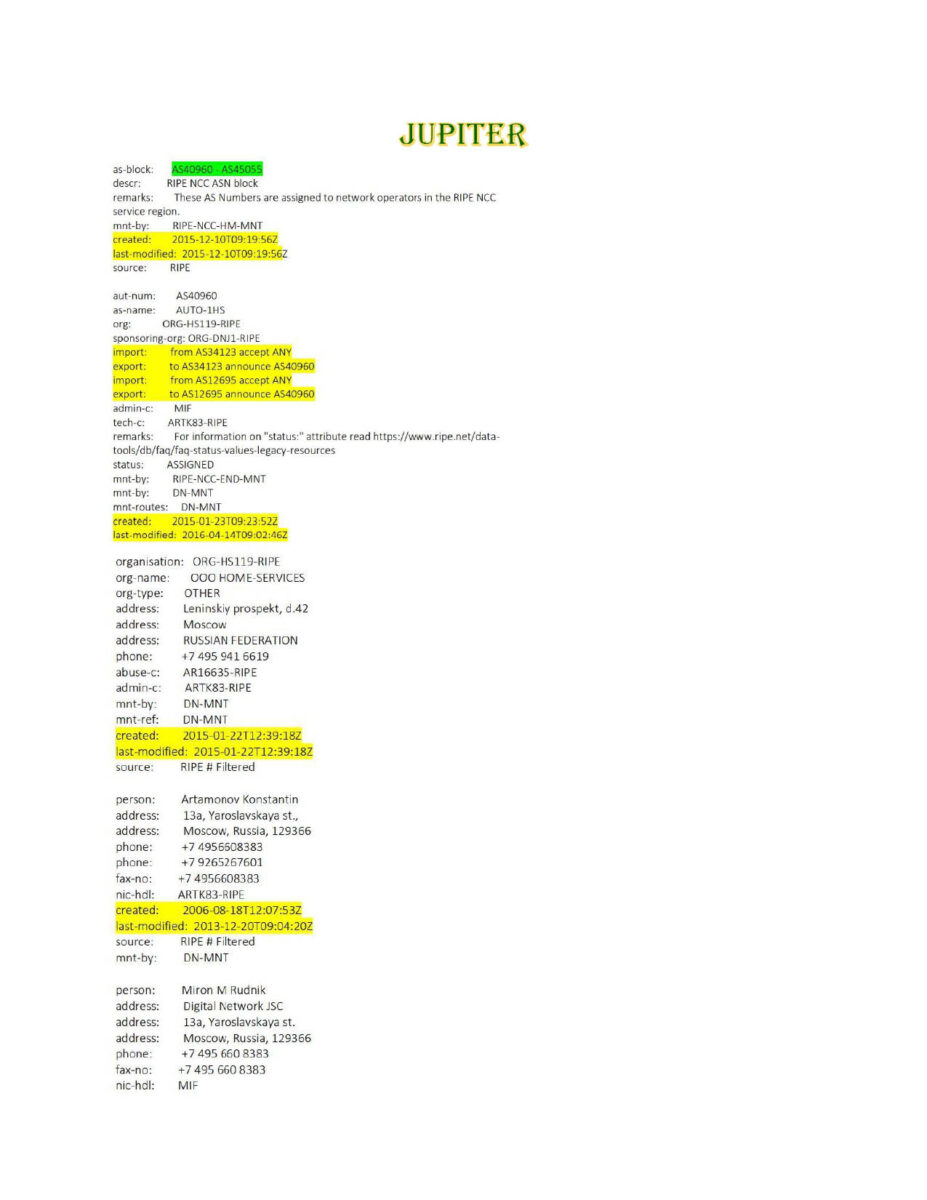
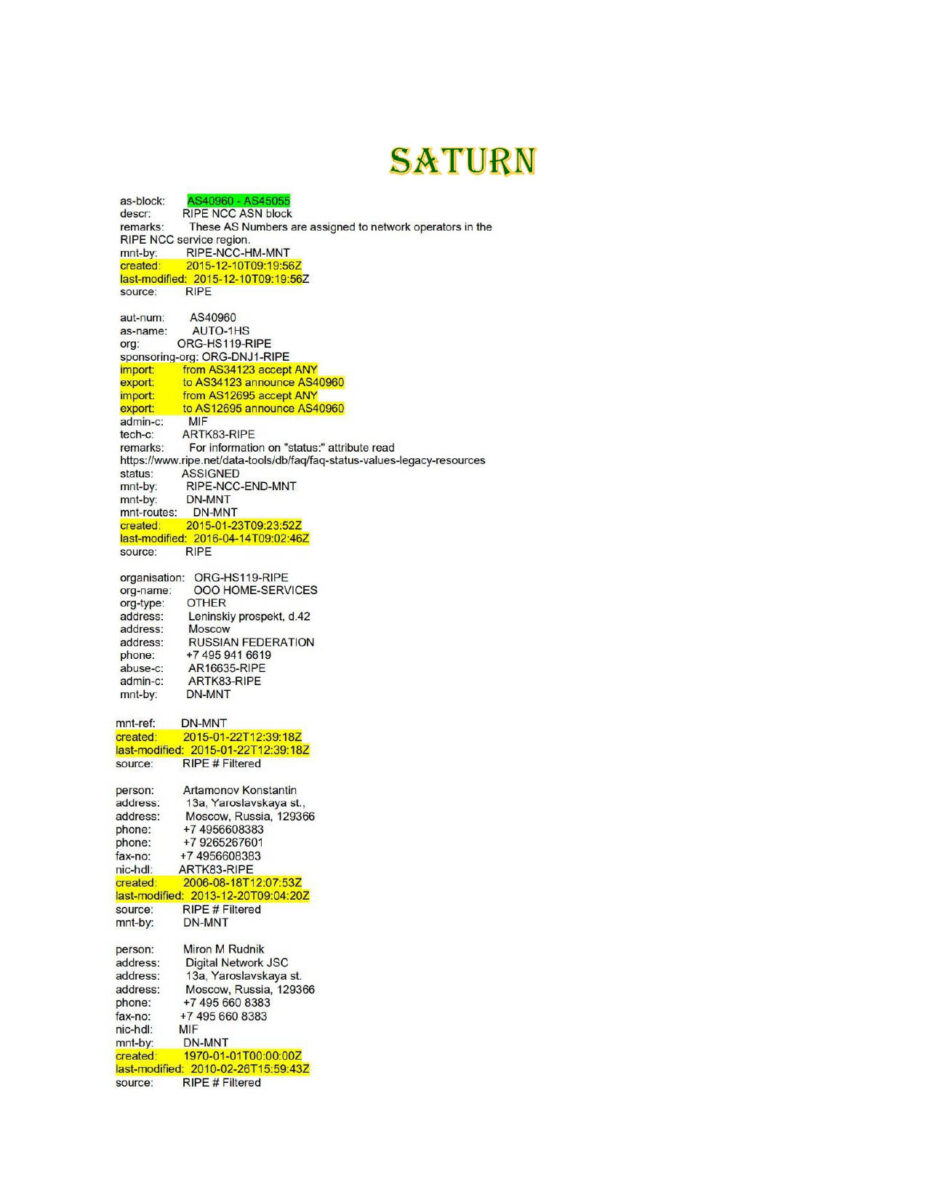
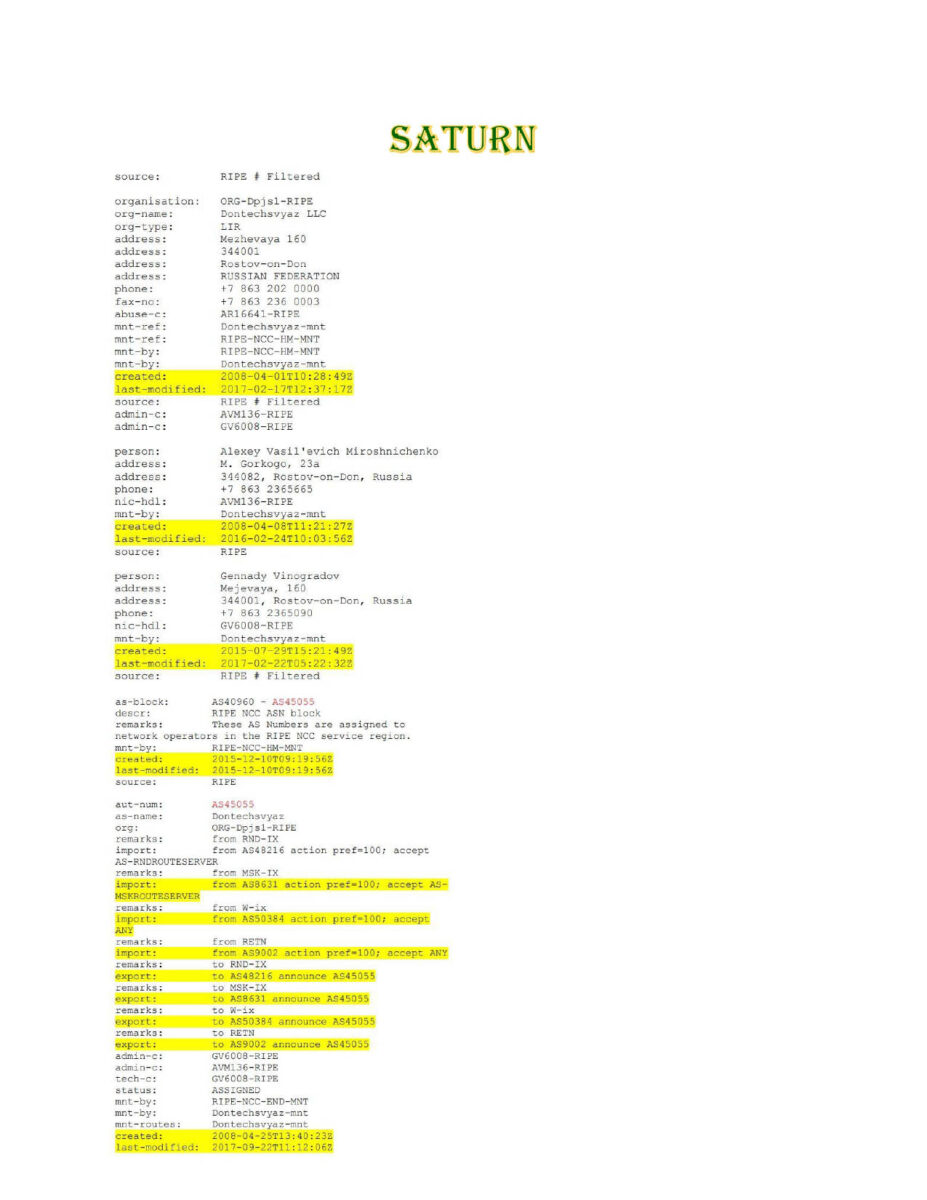
Below, the Solar System—along with its planets, moons, and empty units—is illustrated as the conceptual framework for these primary, secondary, and null server boxes.